A Deck Belt Is Three Products in One. The Spec Sheet Shows You One.
A Deck Belt Is Three Products in One. The Spec Sheet Shows You One.
Most buyers specify a mower deck belt by two numbers — width and length. The spec sheet stops there. The belt doesn't. Here's how to read the three layers that decide whether it lasts a season or dies in a month.
He pointed at the core — the cords inside the rubber — and said it in three words. This is a man who has been in this trade for over fifty years.
He wasn't being harsh. He was doing my job for me. And he was pointing at the exact place where deck belts are won or lost.
Here's the thing about mower deck belts: most people buy them by two numbers — width and length. The spec sheet stops there.
The belt doesn't.
When two belts measure identical but age differently, the difference is not in the numbers you can see. It's in the three layers you can't.
The spec sheet gives you width and length.
Three products are stacked inside them.
The Three Layers
A belt that looks identical on paper can be built three different ways underneath. Here is each layer, what it does, and what happens when it's wrong.
Every time the blades engage, the deck slams a shock load into the belt. The core takes it. This is the layer that decides whether the belt absorbs punishment or passes it into the machine.
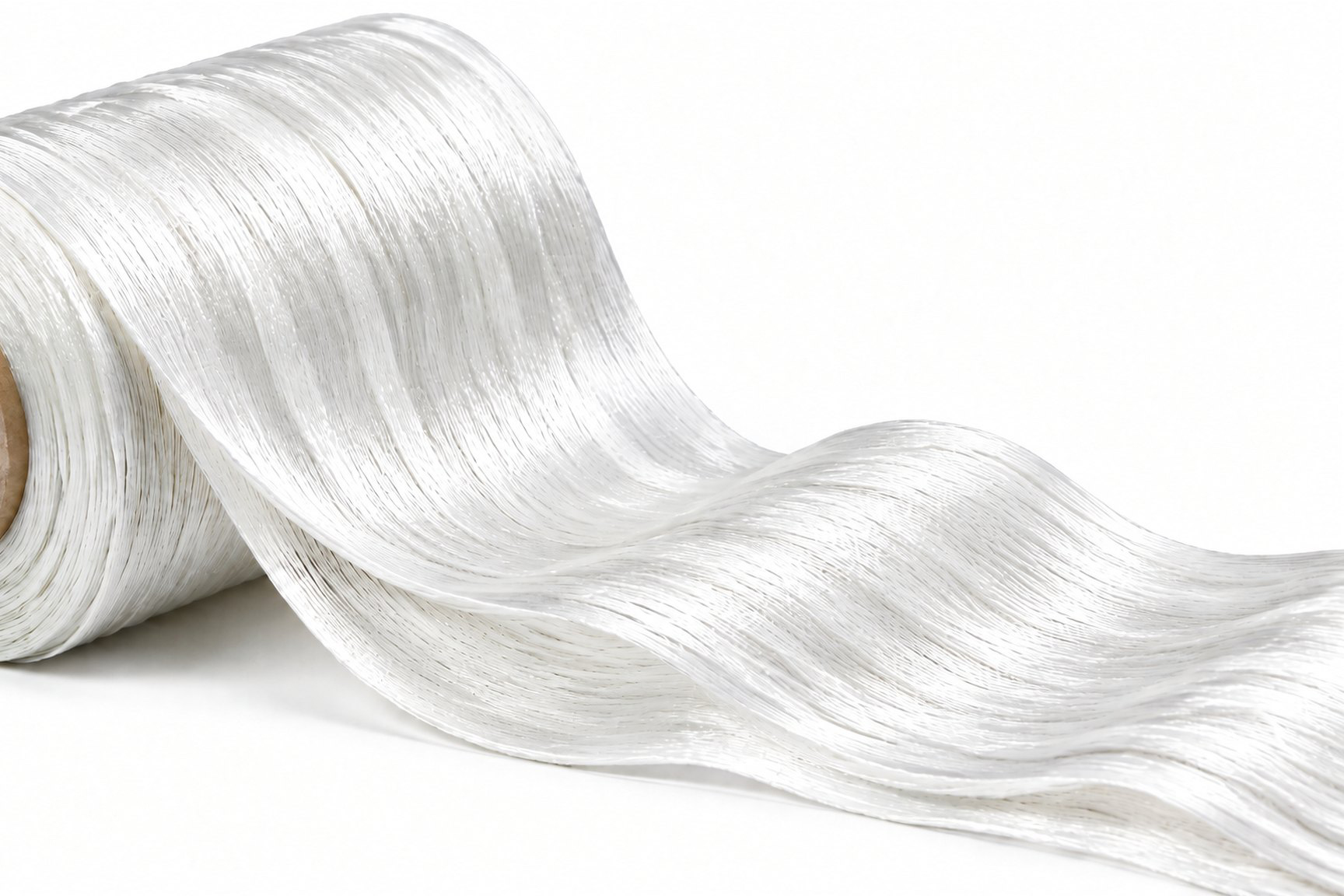
Holds cost down and stretches more. Acceptable for standard duty where re-tensioning is routine.
Barely stretches and shrugs off shock. Built for repeated engagement cycles and heavy decks.
Decides whether the belt runs true — or wanders, burns, and dies young.
How well the cords are bonded into the body — the difference between holding tension and migrating.
The rubber body is doing three jobs at once, none of them visible on the shelf: it has to live with heat coming off the pulleys, it has to tolerate whatever drips out of the machine above it, and it has to sit in a warehouse — sometimes for a season — without aging out before it's sold.
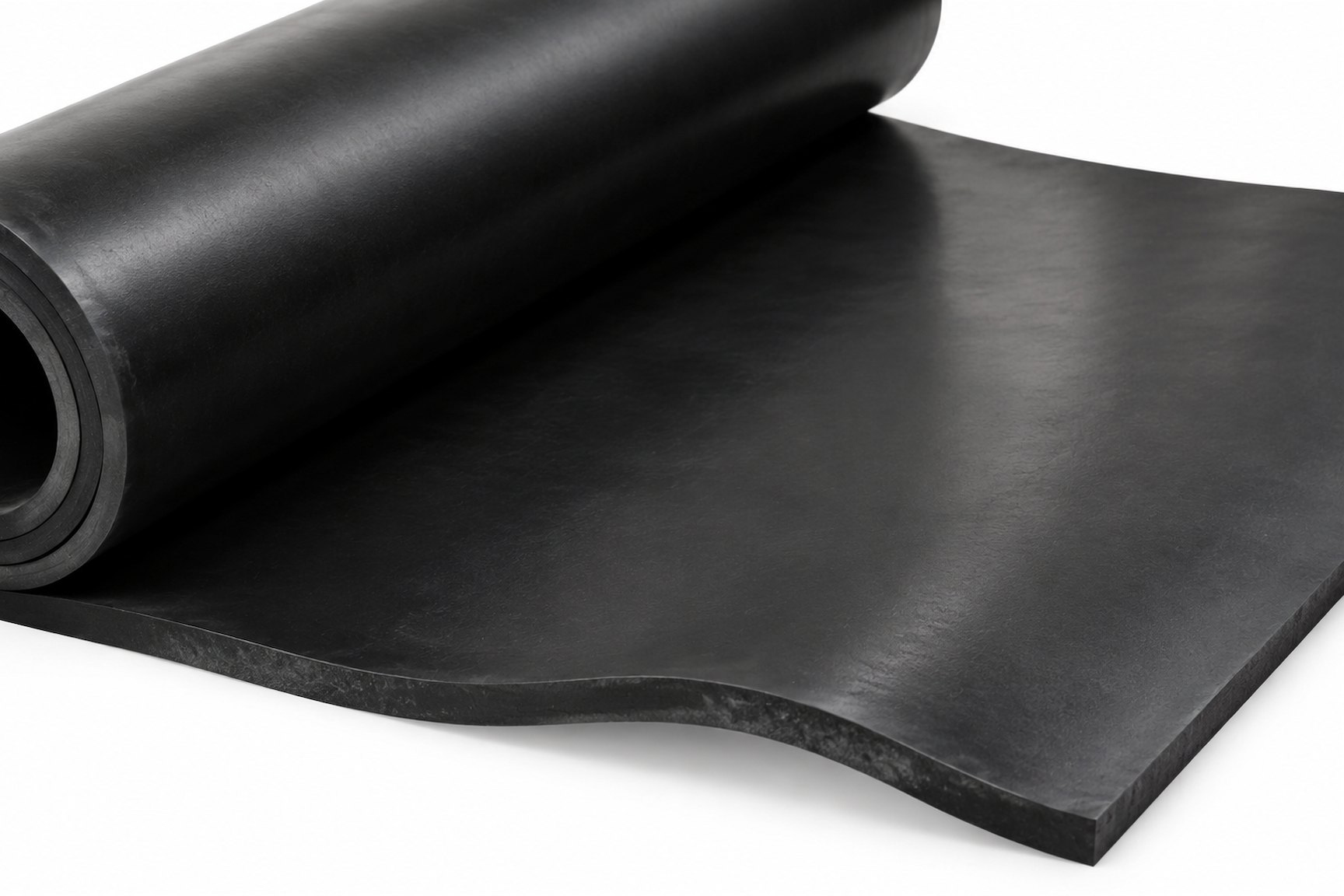
Pulley friction and slipping drive temperatures up fast. The wrong compound glazes, cracks, and hardens.
Deck duty means exposure. A compound with no oil resistance swells and softens where it shouldn't.
Storage kills belts before installation does. Ozone cracking starts on the shelf, not on the deck.
Same size, different compound, different service life.
The cover is where two "equally good" belts stop being equal. Construction here changes how the belt behaves on your pulley arrangement — and the two mainstream constructions are not interchangeable.
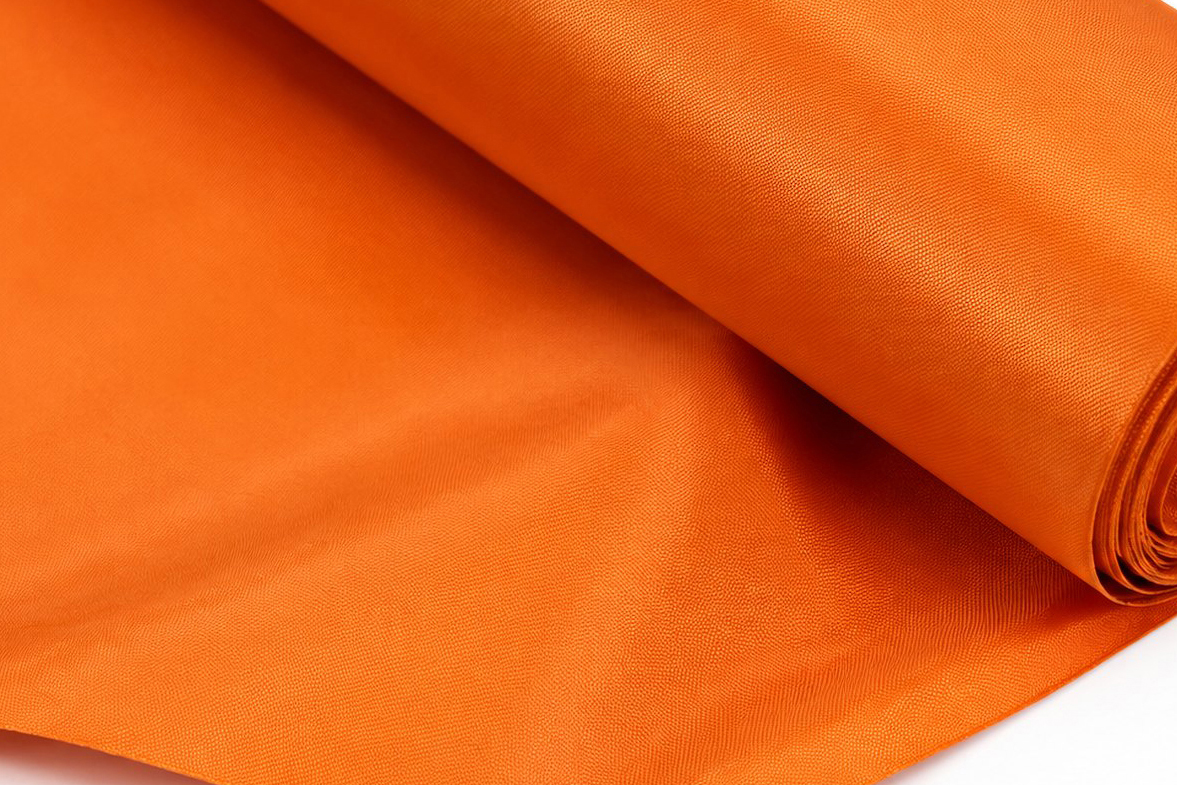
Runs cooler and quieter, with the fabric acting as armor over the rubber body.
Bends easier and grips harder on small pulleys — the cut edge puts rubber directly on the sheave.
Neither is superior in the abstract. Each wins inside its own duty window.
A belt built for the wrong duty always loses on your deck — regardless of price.
Fabric-Wrapped vs. Raw-Edge Cogged
| Attribute | Fabric-Wrapped | Raw-Edge Cogged |
|---|---|---|
| Construction | Fabric layer encases the rubber body | Cut edges expose rubber; cogs add flex |
| Operating Temperature | Runs cooler — fabric shields the body | Higher surface heat under slipping |
| Noise | Quieter operation | Noticeably noisier on engagement |
| Small Pulleys | Stiffer — less comfortable bending tight | Bends easier on tight radii |
| Grip | Moderate — fabric surface slides more | Strong — rubber directly on the sheave |
| Typical Duty | Heat-heavy, continuous-running decks | High-torque starts, small-pulley drives |
| Failure If Misapplied | Slip and glazing where grip is needed | Premature cracking on high-heat duty |
Polyester vs. Aramid Cord
| Attribute | Polyester | Aramid |
|---|---|---|
| Stretch Under Load | Higher — needs re-tensioning | Minimal — holds tension |
| Shock Resistance | Moderate | High — shrugs off engagement shock |
| Cost Position | Lower | Higher |
| Best Channel | Standard residential decks, price-led SKUs | Commercial decks, frequent engagement cycles |
| Risk If Underspecified | Field complaints about stretching and re-tensioning | Margin pressure where users won't feel the difference |
A fifty-year veteran didn't measure the belt. He looked at it. Cord spacing told him the whole story in three words — "not laid evenly, almost blurry." Uneven lay means uneven load sharing: some cords carry more than they should, the belt wanders instead of tracking true, and the heat builds until it gives.
How to Read a Deck Belt Before You Order
Three checks take ten minutes and cost nothing. Run them on any sample a supplier sends you — including ours.
Cut It Open
Take a cross-section and look at cord spacing. Even, crisp lines mean even load. Blurred or bunched cords mean the belt will wander and run hot.
Pull It Straight
Stretch the belt by hand and let go. How much it gives — and how much it doesn't come back — tells you more about the cord than any datasheet line.
Read the Failure
Glazed sidewalls point to heat. Swelling points to oil. Checking and cracks on a stored belt point to ozone. Each symptom names a layer.
Symptom-to-Layer Diagnostics
| Field Symptom | Likely Layer at Fault | What to Specify Next Time |
|---|---|---|
| Belt keeps stretching; needs repeated re-tensioning | Core — polyester under high load | Move to aramid cord specification |
| Belt wanders, rolls, or won't track true | Core — uneven cord lay or poor anchorage | Lay evenness and anchorage in the spec |
| Snaps on blade engagement | Core — shock load beyond capacity | Aramid, or a higher shock-rated construction |
| Glazed or cracked sidewalls | Compound — heat beyond rating | Higher heat-rated compound |
| Swelling or softening under the machine | Compound — poor oil and fuel resistance | Oil-resistant compound, rated in writing |
| Cracking on the shelf before installation | Compound — no ozone resistance | Ozone-resistant compound and storage guidance |
| Slips on small pulleys | Cover — fabric where grip is needed | Raw-edge cogged construction |
| Runs hot and noisy, wears through the body | Cover — raw edge on high-heat duty | Fabric-wrapped construction |
The 5 Things We Put in a Belt Spec
Width and length get you a belt that fits. These five get you a belt that survives. Whether you're buying stock or building a program, this is what goes in writing:
Polyester or aramid, stated explicitly. "High-strength cord" is not a specification. If the supplier won't name the material, you're buying whatever was cheapest that week.
The layer the Santiago buyer looked at first. Even lay distributes load across every cord; anchorage keeps them bonded under shock. Ask how both are controlled and checked, batch to batch.
Heat, oil, and ozone — three properties, three numbers. Ask what each is rated for and how it's tested. A compound optimized for one is rarely optimized for all three.
Fabric-wrapped or raw-edge cogged — chosen for your pulley arrangement and engagement style, not for what's in stock. Neither is "better"; only matched or mismatched.
Nobody writes this one down, and it decides the belt's fate. How often do the blades engage, on what deck size, under what load? Tell your supplier the real duty — it's cheaper than field failures.
Where We Stand
Sourcing claims are easy to make. Here are ours, stated plainly:
Our belt manufacturer has OEM production experience supporting the Stanley system. That's the baseline our line was built on, not a marketing line.
We hold every belt we ship to the same quality-control standards used for heavy-duty power equipment belts — including the stock SKUs, not just the premium ones.
That buyer in Santiago? We didn't argue with him. His observation went straight back to production. The honest ones always make your product better — if you let them.
A fifty-year veteran looked at one cross-section and told us where to improve. We took it. That's the whole approach: we'd rather hear it from someone who knows than find out from your returns department six months later.
The Bottom Line
A deck belt is three products in one — the core that carries the load, the compound that survives the environment, the cover that decides how it runs. Width and length tell you it fits. Only those three tell you how long it lasts. Read the layers, write them into the spec, and price stops being the only variable you're comparing.
Want the One-Page Checklist?
We use a single-page reference to read a deck belt — core, compound, cover — including the cross-section check and the symptom-to-layer diagnostics table. Tell us the word STRUCTURE and we'll send it over, along with our deck belt portfolio for your market.
DM Us "STRUCTURE"© 2026 Antanker OPE Parts. All rights reserved. | This article is part of the OPE Sourcing Guide series for B2B distributors and sourcing professionals.